
Choosing the right roof cladding system is a critical decision for any commercial property owner. The system you choose affects weather protection, energy efficiency, running costs, appearance, and long term maintenance. While industrial and retail units may appear similar at a glance, their roofing requirements often differ significantly due to how the buildings operate and how people use them.
This in depth guide explains commercial roof cladding systems, the key differences between industrial and retail properties, and how to select the most suitable option for each.
What is commercial roof cladding?
Commercial roof cladding refers to the external layers fixed to the roof structure to protect the building from the elements. These systems create a weatherproof barrier while also contributing to insulation, structural integrity, and overall performance.
A typical cladding system includes:
- External metal sheets or panels
- An insulation layer, depending on the system
- Fixings and fasteners
- Sealants and weatherproof joints
- Vapour control layers where required
Modern roof cladding systems do far more than simply keep water out. They help control heat loss, manage condensation, reduce noise, and ensure compliance with building regulations.
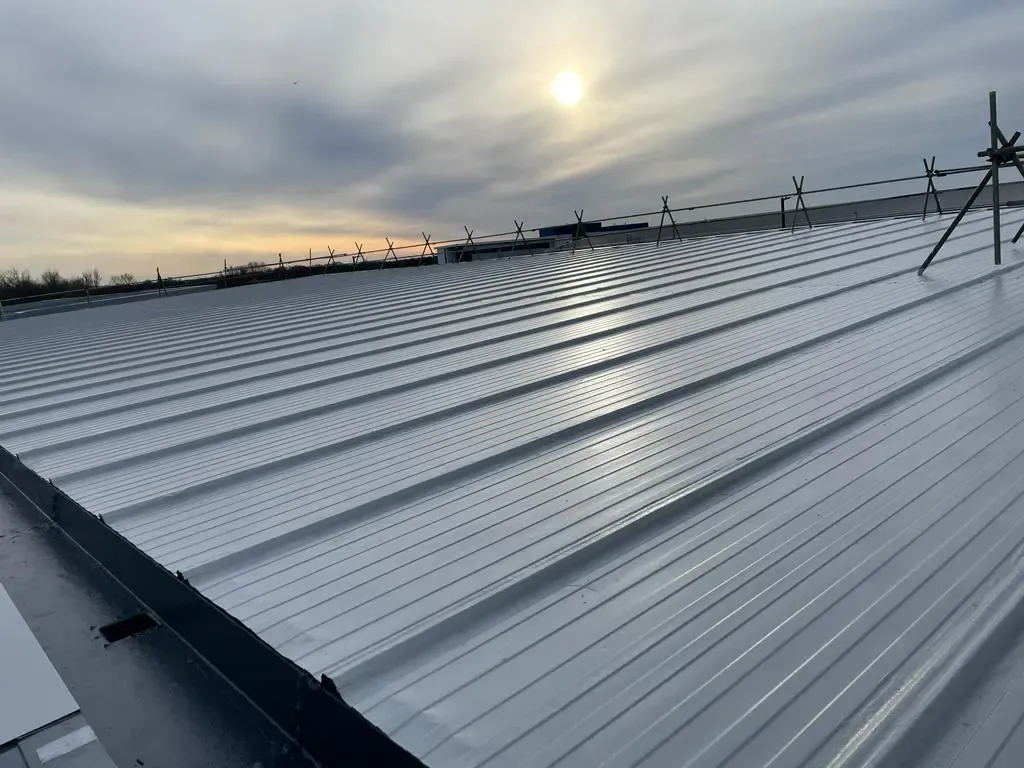
Understanding the differences between industrial and retail buildings
Before selecting a cladding system, it is essential to understand how industrial and retail buildings differ in their function and priorities.
Industrial units
Industrial buildings include warehouses, factories, logistics hubs, and manufacturing plants. These structures often feature large open spans, high roofs, and minimal architectural detail.
Common priorities for industrial units include:
- Durability and resistance to harsh conditions
- Thermal efficiency to protect stock or equipment
- Low maintenance requirements
- Cost effectiveness over large roof areas
- Compliance with safety and energy regulations
Appearance is usually a secondary concern, particularly for buildings not open to the public.
Retail units
Retail units include shops, retail parks, showrooms, and trade counters. These buildings often serve as customer facing spaces where comfort and appearance matter.
Retail roof cladding priorities typically include:
- A clean and professional external appearance
- Thermal comfort for customers and staff
- Energy efficiency to control heating costs
- Compatibility with branding and signage
- Minimal disruption during installation or refurbishment
Because retail units often operate seven days a week, installation time and disruption also play an important role in cladding selection.
Main types of commercial roof cladding systems
Understanding the available cladding systems makes it easier to identify what works best for each type of building.
Single skin metal cladding
Single skin cladding consists of profiled metal sheets fixed directly to the roof structure.
Key characteristics include:
- Lightweight and quick to install
- Lower upfront cost
- Limited insulation performance
- Increased risk of condensation if not properly managed
This system suits unheated or lightly heated industrial buildings such as storage sheds or agricultural units. It rarely meets modern thermal standards without additional insulation layers.

Built up cladding systems
Built up systems use multiple layers installed on site to create a complete roof covering.
These systems typically include:
- An internal liner sheet
- Insulation boards or rolls
- An external weather sheet
- Vapour control layers and spacers
Built up systems offer flexibility in insulation thickness and specification, making them suitable for both industrial and retail buildings. Installation takes longer than composite panels, but performance can be tailored to specific requirements.
Insulated composite panels
Insulated composite panels combine external metal sheets with an insulating core in a single factory manufactured panel.
Benefits include:
- Excellent thermal performance
- Faster installation compared to built up systems
- Consistent quality and weather resistance
- Compliance with current building regulations
Composite panels are widely used across both industrial and retail sectors due to their efficiency and versatility.
Standing seam metal roofing systems
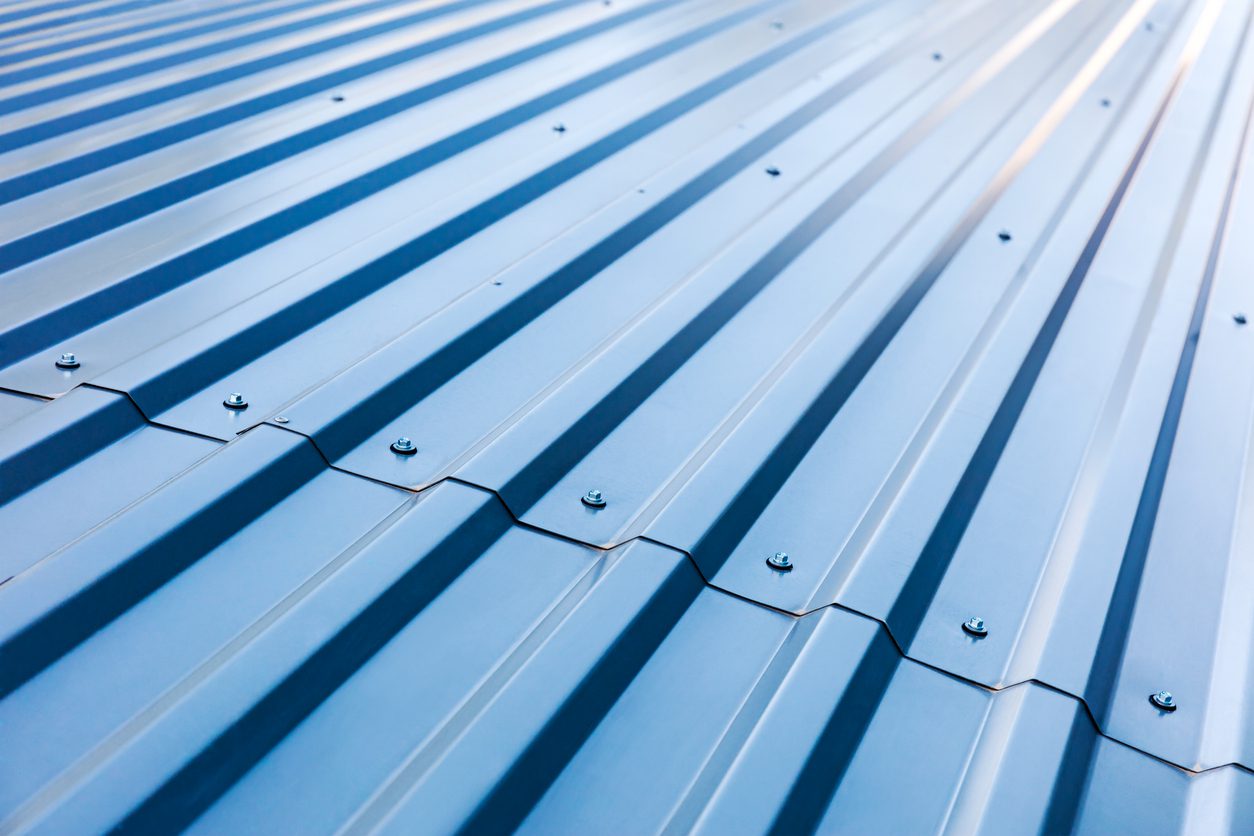
Standing seam systems use long metal sheets joined with raised seams that run vertically along the roof.
Key advantages include:
- High resistance to wind and water ingress
- Long lifespan with minimal maintenance
- Clean, modern appearance
- Suitable for shallow roof pitches
These systems are popular on large industrial buildings and modern retail developments where durability and appearance are both important.
Best roof cladding systems for industrial units
Industrial units require cladding systems that can withstand heavy use, environmental exposure, and long service periods.
Insulated composite panels for industrial buildings
Composite panels are often the preferred choice for modern industrial units.
They offer:
- Strong thermal performance to maintain stable internal temperatures
- Reduced condensation risk
- Faster installation over large roof areas
- Long term cost savings through energy efficiency
These benefits make composite panels ideal for warehouses, factories, and distribution centres.
Standing seam systems for large industrial roofs
Standing seam metal roofs suit industrial buildings with large spans or shallow pitches.
They provide:
- Excellent weather resistance in exposed locations
- Long service life with minimal intervention
- Flexibility for future roof mounted systems such as solar panels
For industrial buildings where longevity and performance outweigh appearance concerns, standing seam systems deliver reliable results.
Single skin cladding for basic structures
Single skin cladding remains suitable for certain industrial applications, particularly where insulation is not required.
This includes:
- Open sided storage buildings
- Agricultural units
- Temporary or secondary structures
For heated industrial spaces, additional insulation measures are essential to meet regulations and prevent condensation.
Best roof cladding systems for retail units
Retail buildings require roof cladding systems that combine performance with visual appeal.
Composite panels with architectural finishes
Composite panels used on retail units often feature:
- Smooth or micro ribbed finishes
- Colour options to match branding
- Clean joint detailing for a modern look
These panels deliver strong thermal performance while supporting a professional external appearance.
Architectural metal cladding systems
Architectural cladding systems enhance the visual impact of retail buildings.
Advantages include:
- Design flexibility
- Seamless roof lines
- Compatibility with façades and signage
These systems suit retail parks, showrooms, and flagship stores where appearance plays a key role in customer perception.
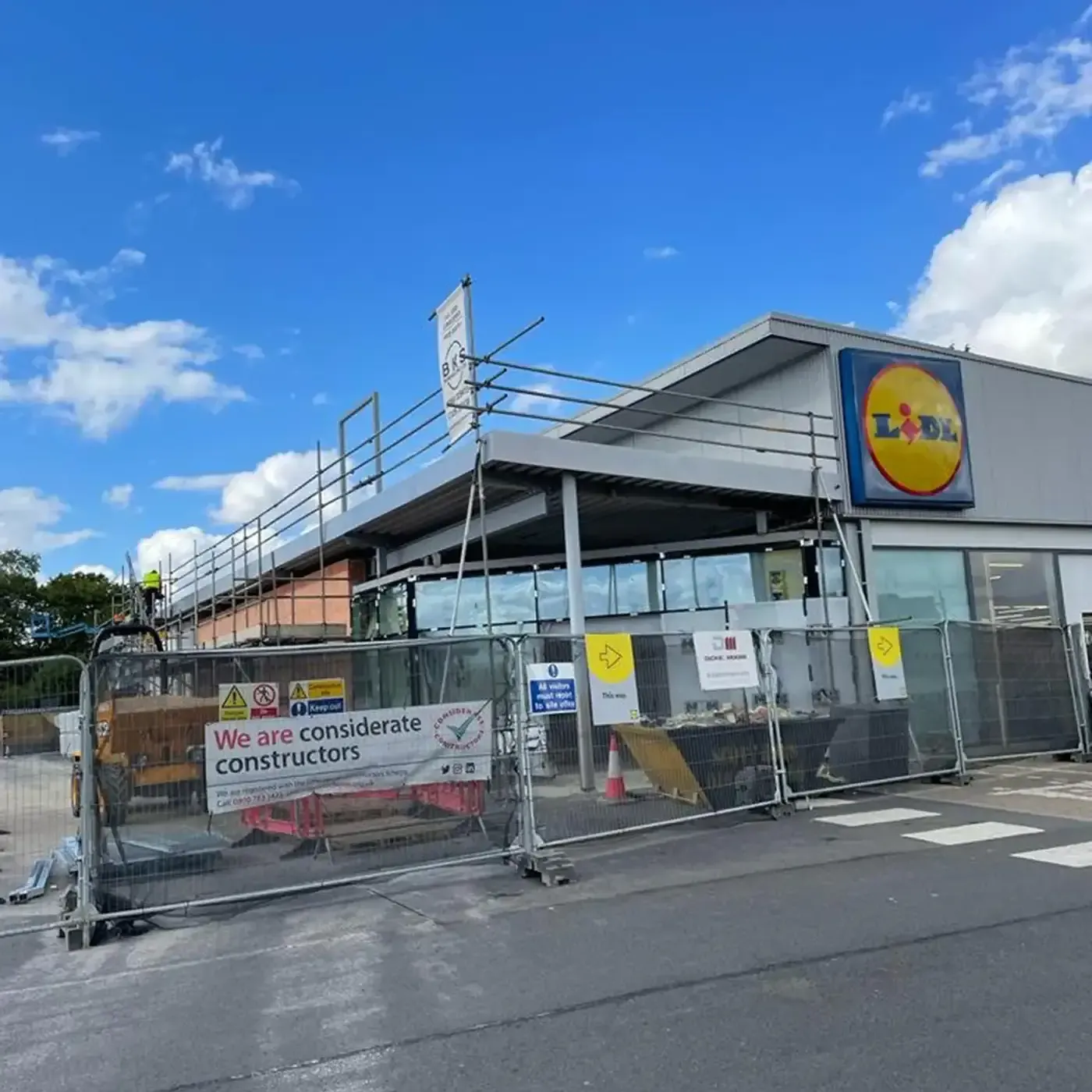
Over cladding for retail refurbishments
Over cladding involves installing a new cladding system over the existing roof.
This approach offers several benefits:
- Improved insulation without stripping the old roof
- Reduced disruption to trading
- Faster installation times
- Enhanced appearance and weather performance
Over cladding is particularly effective for ageing retail units that require an upgrade without prolonged closure.
Thermal performance and energy efficiency
Thermal efficiency plays a major role in both industrial and retail buildings, particularly in the UK climate.
Improved insulation through modern cladding systems helps:
- Reduce heating costs
- Maintain stable internal temperatures
- Improve comfort for staff and customers
- Meet current building regulations
Retail buildings feel these benefits more immediately due to customer footfall and longer opening hours. Industrial buildings benefit through protection of goods, equipment, and processes.
Selecting the correct insulation thickness and system specification ensures long term energy savings.
Maintenance and lifespan considerations
Roof cladding systems represent a long term investment, so maintenance requirements and lifespan must be considered.
Industrial buildings
Industrial cladding systems should prioritise:
- Corrosion resistance
- Durable coatings
- Easy access for inspections
Regular inspections help identify issues such as loose fixings, damaged panels, or seal deterioration before they develop into costly problems.
Retail buildings
Retail roof cladding must retain its appearance as well as its performance.
This means:
- Choosing high quality finishes that resist fading
- Preventing staining from water runoff
- Scheduling inspections outside peak trading hours
A well maintained roof supports brand image and protects the interior environment.
Compliance and safety considerations
Both industrial and retail cladding systems must comply with current UK building regulations.
Key compliance areas include:
- Thermal performance standards
- Fire safety requirements
- Structural integrity
- Weather resistance
Working with an experienced commercial roofing contractor ensures the chosen system meets all regulatory requirements and performs as expected.
Choosing the right cladding system for your building
The best roof cladding system depends on how the building is used, its size, location, and long term objectives.
Industrial units typically benefit from robust, efficient systems that prioritise durability and insulation. Retail units require these qualities alongside a clean, professional appearance and minimal disruption.
A professional roof survey provides clarity on structural suitability, insulation needs, and budget considerations. With expert guidance, you can select a cladding system that protects your property, reduces running costs, and supports its future use.
If you are planning a commercial roof cladding project for an industrial or retail unit in the North East, speak to an experienced roofing specialist like National Roofing Contractors. The right cladding system delivers long term performance, compliance, and value for your building.
